Taking care of your gut microbiota
May 17, 2022
Why should we be concerned about the health of our gut microbiota?
Almost every human disease has been linked to changes in the balance of our microorganisms. The huge diversity of our microbiota is the main element of our health. Without it we are in trouble.
Several elements that help promote a healthy gut are as follows.
Prebiotics
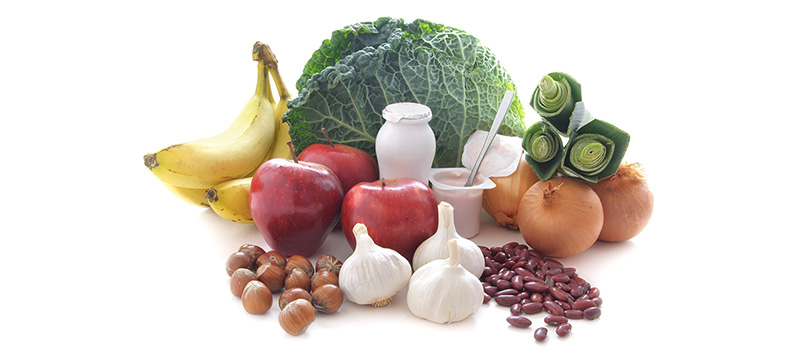
They are the food which nourish our bacteria. Different plant-based foods (including vegetables, fruits, whole grains, and seeds) are a great way to nourish your gut microbiota. Diversity in your diet of food components is more important than almost anything else.
Probiotics
They help add to our gut with good microbes while adding diversity of beneficial microorganisms mostly of bacteria but also yeast. Scientists have looked at compounds produced by microorganisms which have a potential to promote health. These are known as postbiotics.
Synbiotics
They are a mixture of live microorganisms and substrates utilized by a host microorganism that offer a health benefit. An example would be combining a prebiotic food and a probiotic fermented food in the same meal. An example would be combining yogurt with dried fruits and nuts.
Fecal Transplants
Known as bacteriotherapy which have shown hope in treating conditions not directly related to the gut. An example would be obesity. However, the most recent studies are centered around treating infections caused by Clostridioides difficile also known as C-dif. This type of infection is only made worse by antibiotics. Interesting enough, antibiotics not only kill the infection but other bacteria that guard against reoccurrence. C-dif eliminates spores that cause more of the same infection to develop. It is only time we see other types of bacteria behave in the same manner. As bacterial diversity becomes more and more important, scientists are looking into how fecal transplants can help in that direction.
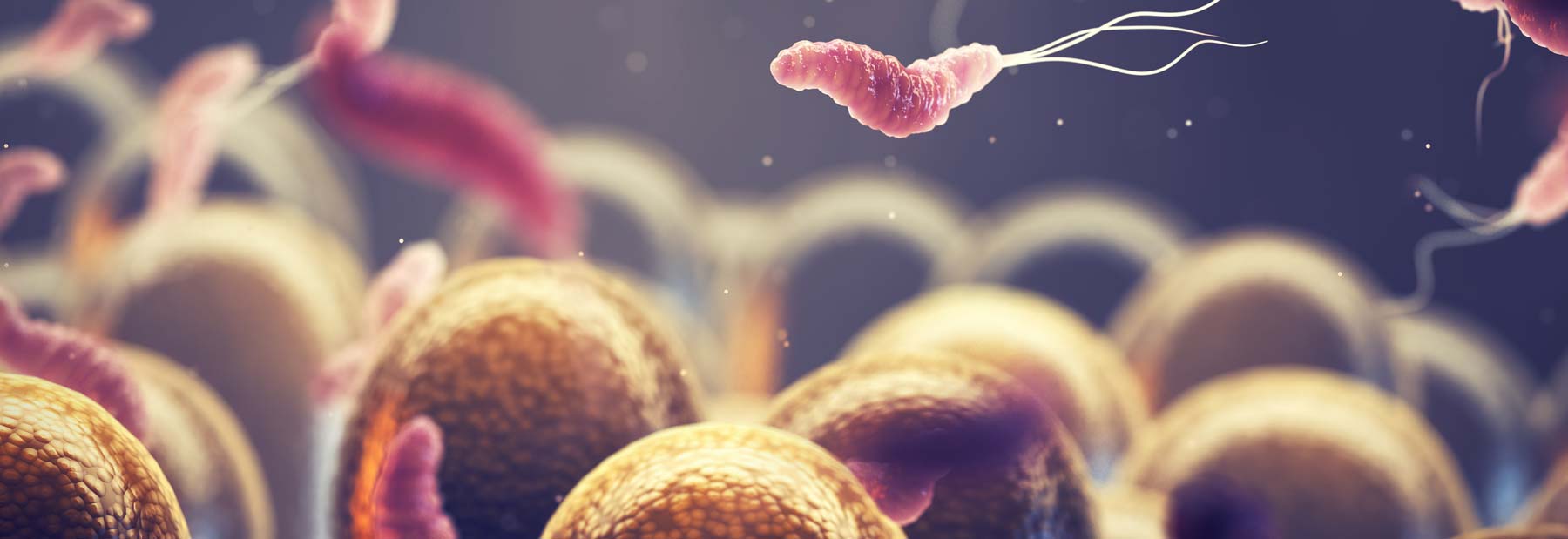
The future of probiotics will bring us beyond the well-known Lactobacillus and Bifidobacterium.
Examples include bacteria that help alleviate features of metabolic syndrome in overweight and obese people.
Scientists are also looking into which gut bacteria are associated with healthy dietary patterns.
Today, the way in which one can nourish your gut bacteria include consuming probiotics, prebiotics
and a combination of the two. Taking the wrong things out of your diet cannot be overemphasized.
The role of colon hydrotherapy in benefiting or preserving gut bacteria is unknown however we do know that helping colon transit time, when needed, has certain health benefits. It’s only a matter of time till we discover the greater importance of what we do as a profession.
References
Collado MC, Vinderola G, Salminen S. Postbiotics: facts and open questions. A position paper on the need for a consensus definition. Benef Microbes. 2019; 10(7):711-719. doi:
10.3920/BM2019.0015.
Wargo JA. Modulating gut microbes. Science. 2020; 369(6509):1302-1303. doi: 10.1126/science.abc3965.
McDonald D, Hyde E, Debelius JW, et al. American Gut: an open platform for citizen science microbiome research. Systems. 2018; 3(3):e00031-18. doi: 10.1128/mSystems.00031-18.
Cani PD, Van Hul M. Mediterranean diet, gut microbiota and health: when age and calories do not add up! Gut. 2020; 69(7):1167-1168. doi: 10.1136/gutjnl-2020-320781